
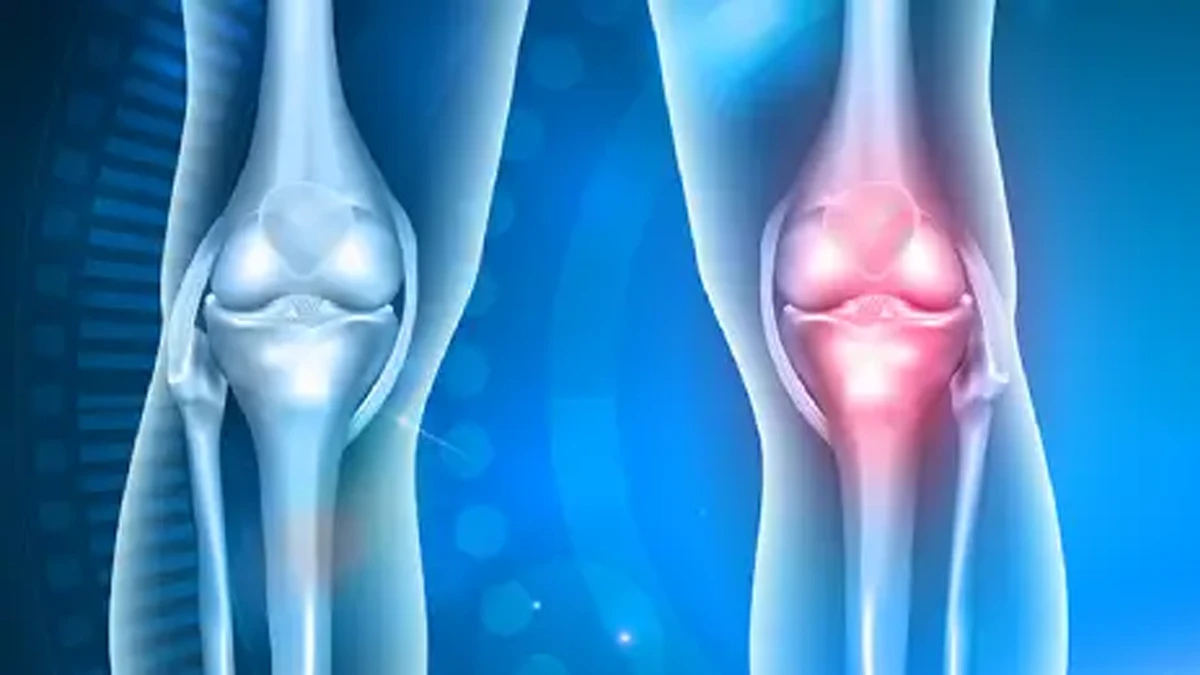
When does knee pain require surgery?
The great majority of knee pain does not require surgery. Pain due to overexertion, mild cartilage wear and some meniscal tears can be brought under control with rest, physiotherapy, medication and intra-articular procedures.
Surgery generally comes onto the agenda in the following situations:
- Locking, catching or sudden giving way of the knee
- A feeling of instability due to a ligament injury
- Pain that does not respond to non-surgical treatment and restricts daily life
- A tear requiring repair, or advanced joint damage, seen on imaging
Which route is followed varies according to age, activity level, the location of the tear and the general degree of wear in the knee.
Meniscal tears
The menisci are two C-shaped cartilage cushions lying between the thigh bone and the shin bone. They distribute load across the joint surface, keep the knee in balance and protect the cartilage from impact.
Tears arise in two main ways:
- Traumatic tear: Mostly in young and active people, through a sudden twisting movement while the knee is bent.
- Degenerative tear: From middle age onwards, as the tissue thins over time. It can appear without any obvious accident.
Common symptoms are pain on the inner or outer side of the knee, swelling, difficulty squatting, and a sensation of catching or locking in the knee.
Meniscus surgery
Not every tear requires surgery. In tears in the outer regions, where the blood supply to the tissue is good, repair (suturing) may be preferred; in the inner parts, where the blood supply is poor, trimming the torn portion comes onto the agenda. Preserving as much meniscal tissue as possible matters for the long-term health of the joint.
A significant proportion of these procedures are carried out arthroscopically, through incisions a few millimetres across.
Anterior cruciate ligament injuries
The anterior cruciate ligament prevents the shin bone from sliding forward and the knee from rotating excessively. It is frequently injured in sports involving sudden changes of direction, such as football, basketball and skiing.
At the moment of rupture most patients describe a snapping sound or sensation in the knee. Swelling and a loss of confidence in the knee follow. The knee giving way when going down stairs or changing direction is a typical complaint. These injuries are assessed together under the heading of sports injuries.
Not every anterior cruciate ligament injury requires surgery. In reaching a decision, the patient's age, their expectations regarding sport, any additional injuries in the knee and the instability they feel in daily life are assessed together. When reconstruction is required, a new ligament is formed in place of the ruptured one using a suitable graft.
Knee osteoarthritis
Osteoarthritis is the thinning over time of the cartilage that covers the joint surface. As it progresses the bone surfaces come closer together; movement becomes painful, and morning stiffness and difficulty going up and down stairs begin.
At the early and moderate stages treatment proceeds with non-surgical options: weight management, an appropriate exercise programme, physiotherapy, medication and intra-articular procedures.
When the joint surface has worn to a large extent and the pain restricts daily life, knee replacement surgery comes onto the agenda.
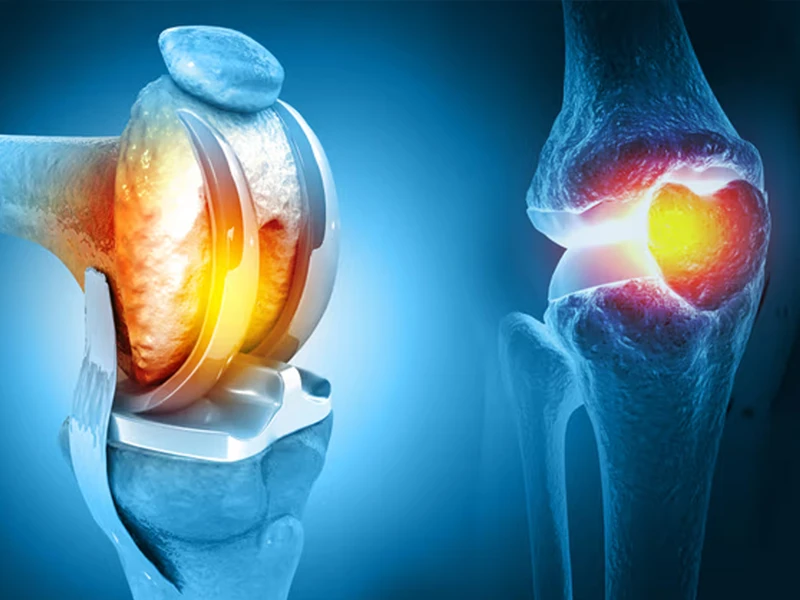
What is arthroscopic knee surgery?
Arthroscopy is a closed surgical method in which the knee is entered with a camera and fine instruments through incisions a few millimetres across. The surgeon sees inside the joint on a screen and can, in the same session, both clarify the diagnosis and carry out the procedure required.
Compared with open surgery it means a smaller incision and less soft tissue damage. A significant proportion of meniscal, cartilage and ligament problems are dealt with by this method.
Examination and treatment process
-
History and physical examination
When the complaint began, which movement aggravates it, and the stability and range of motion of the knee are assessed.
-
Imaging
The joint space and bony structure are examined with X-ray and, where necessary, the meniscus, ligaments and cartilage with MRI.
-
Assessment and plan
Non-surgical options are reviewed; if surgery is required, the decision is taken together with the patient.
-
Follow-up
Post-treatment check-ups and the rehabilitation programme are planned.
Frequently asked questions
Does a meniscal tear heal on its own?
When can you walk after meniscus surgery?
Is surgery always necessary when the anterior cruciate ligament ruptures?
Is a replacement the only solution for knee osteoarthritis?
What is the difference between arthroscopy and open surgery?
Which department should I go to for knee pain?

Treating physician
Prof. Dr. Melih Malkoç
Specialist in Orthopaedics and Traumatology. Graduate of Ege University Faculty of Medicine; completed his specialist training at Şişli Etfal Training and Research Hospital and received the title of associate professor in 2015.
Full biography →The information on this page is for general guidance only and does not replace a diagnosis or treatment recommendation. Diagnosis and treatment decisions are made by the physician on an individual basis following examination and imaging.