
When should you go to the emergency department?
Some injuries require assessment without waiting for an appointment. If any of the following findings is present, you should go to the nearest emergency department:
- An obvious deformity of the arm or leg
- Bone piercing the skin, or a suspected fracture together with an open wound
- Coldness, discolouration or an absent pulse in the injured area
- Numbness and progressive loss of strength
- Intolerable pain with an inability to bear weight
If these findings are absent and a fracture is suspected, the area should be immobilised without being moved and help sought for assessment.
Types of fracture and assessment
Fractures are classified in several respects, and the treatment decision is made according to these characteristics:
- Closed or open: Whether the integrity of the skin is preserved. Open fractures are handled differently because of the risk of infection.
- Displaced or undisplaced: Whether the fracture ends have kept their alignment.
- Intra-articular or extra-articular: Whether the fracture line extends to the joint surface, which is decisive for the long-term health of the joint.
- Comminuted fractures: The bone breaking into more than one fragment.
The assessment examines not only the bone but also the surrounding blood vessels, nerves, muscles and skin. Even if the bone heals, a problem in these structures can leave a loss of function.
How is fracture treatment planned?
The aim of treatment is to bring the fracture ends into a suitable position and to hold that position throughout healing. There are two main routes:
- Closed method: The fracture ends are aligned without a surgical procedure and held with a cast or splint. This is preferred in stable fractures whose alignment is undisturbed.
- Surgical fixation: The fracture ends are aligned, openly or closed, and secured with a plate, screws or a nail. This comes onto the agenda in displaced, intra-articular or unstable fractures.
In hip fractures, depending on the bone structure and the site of the fracture, the option of a replacement may be considered instead of fixation.
Which route is appropriate is determined by taking the type of fracture, the person's age, bone quality and general state of health together.
What is watched for during healing?
Bone healing is a gradual process and requires regular follow-up. The headings that matter during the process:
- Preserving the immobilisation: Keeping the cast or splint from getting wet or working loose; reporting any changes that are felt.
- When to bear weight: When and how much weight may be borne varies with the fracture and is determined by the physician.
- Movement and muscle strength: Preserving movement in the neighbouring joints throughout the period of immobilisation, followed by graduated strengthening.
- Regular check-ups: Healing of the fracture line is monitored with X-rays.
If increasing pain inside the cast, swelling of the fingers or toes, a change of colour or numbness appears, help should be sought without delay.
Examination and follow-up process
-
Assessment
The mechanism of injury, pain and any deformity; the blood vessels and nerves are examined along with the integrity of the skin.
-
Imaging
The fracture line and its alignment are assessed with X-ray; where necessary the joint surface is examined with CT.
-
Treatment
Closed alignment and immobilisation, or surgical fixation, is carried out; the method is chosen according to the characteristics of the fracture.
-
Follow-up and rehabilitation
Healing is monitored with X-rays; a movement and strengthening programme is planned once immobilisation ends.
Frequently asked questions
How long does a fracture take to unite?
Does every fracture require surgery?
My fingers have swollen inside the cast — is that normal?
When can I bear weight after a fracture?
What happens if a fracture does not unite?
What should I do first if I suspect a fracture?
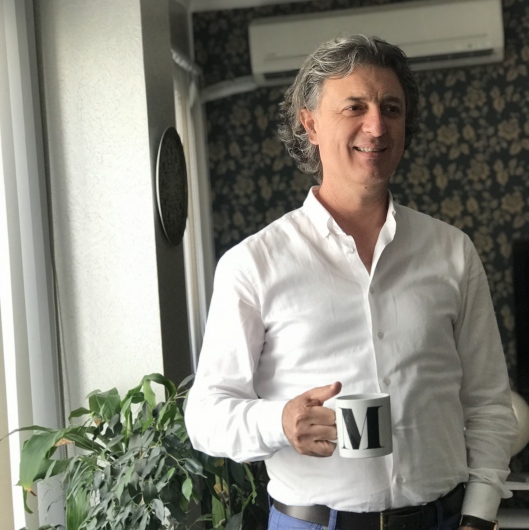
Treating physician
Prof. Dr. Melih Malkoç
Specialist in Orthopaedics and Traumatology. Graduate of Ege University Faculty of Medicine; completed his specialist training at Şişli Etfal Training and Research Hospital and received the title of associate professor in 2015.
Full biography →The information on this page is for general guidance only and does not replace a diagnosis or treatment recommendation. Diagnosis and treatment decisions are made by the physician on an individual basis following examination and imaging.