
What is regenerative medicine?
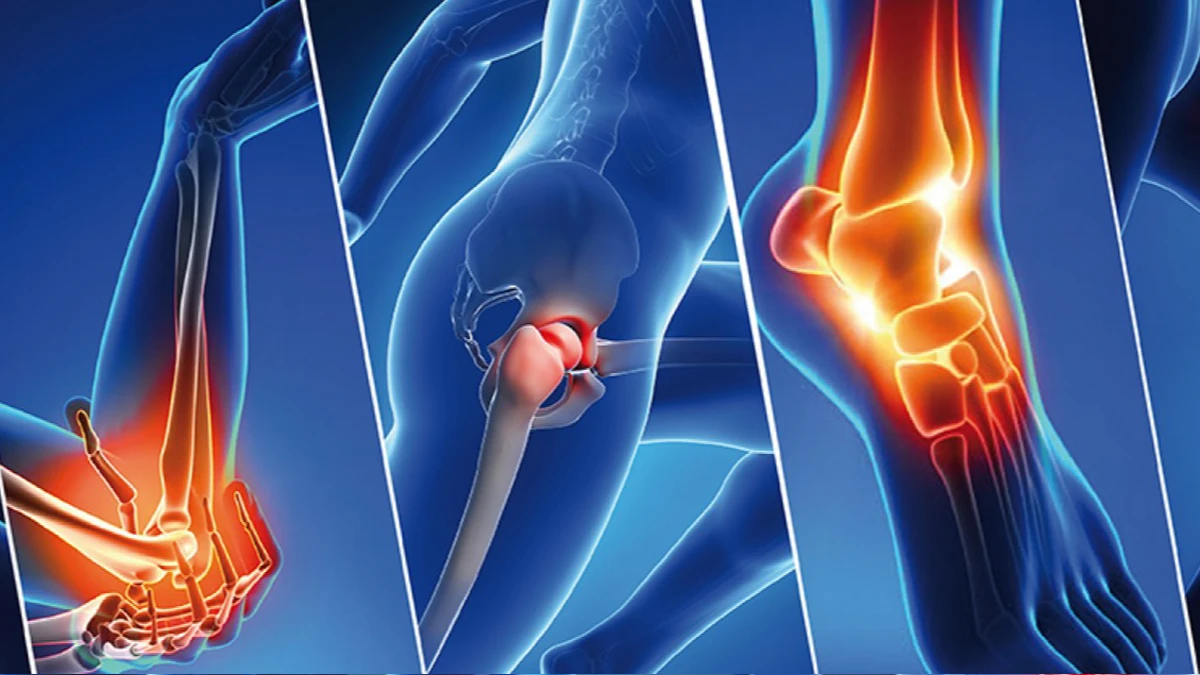
Regenerative medicine is the collective name for approaches that aim to support the body's own repair mechanisms rather than replacing damaged tissue with new tissue. In orthopaedics its field of application is above all the joint cartilage, the tendons and the ligaments.
These methods do not take the place of surgery. They generally come onto the agenda in two groups of patients: those who do not obtain sufficient benefit from conventional non-surgical treatment, and those who are not yet at a stage requiring surgery.
Whether a procedure is appropriate is determined by assessing together the stage of wear in the joint, the duration of the complaint, and the person's age and activity level.
Which methods are used?
The main methods considered under the heading of regenerative treatment in orthopaedic practice:
- PRP (platelet-rich plasma): Application to the target region of plasma separated from the person's own blood and concentrated in platelets.
- Intra-articular injections: Procedures aimed at supporting the lubricating and cushioning function of the joint fluid.
- Cell-based procedures: Methods using cell-containing preparations obtained from the body's own tissue.
Each of these methods has different indications and is not suitable for every patient. Which one is used, how often and over how many sessions is determined after examination and imaging.
Who might they be suitable for?
Regenerative methods are most often considered in the following situations:
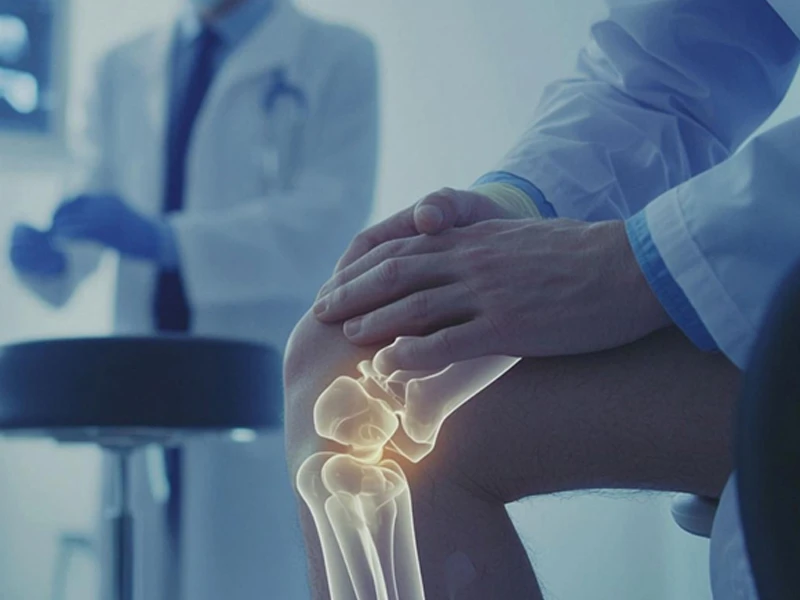
- Early and moderate stage knee osteoarthritis and similar joint wear
- Long-standing tendon problems (such as tennis elbow or Achilles tendon complaints)
- Ligament and soft tissue injuries that are slow to heal
- Patients who are not at a stage suitable for surgery, or who prefer to postpone it
In situations such as active infection, blood disorders, the use of certain medications and pregnancy, the procedure may be postponed or may not be appropriate. For this reason a detailed assessment is carried out beforehand.
What is a realistic expectation?
Regenerative procedures are carried out with the aim of reducing pain and supporting joint function. The response varies from person to person; not everyone benefits to the same degree.
These methods are not a solution on their own but part of a treatment plan. They become more meaningful when carried out together with weight management, an appropriate exercise programme and physiotherapy.
Before the procedure, the expected benefit, the possible limits and the alternatives are discussed in detail. In a field where uncertainty exists, no definite outcome is promised.
Assessment process
-
History and physical examination
The duration of the complaint, treatments applied previously and the current function of the joint are assessed.
-
Imaging
The joint space is examined with X-ray and, where necessary, the cartilage and soft tissue with MRI; the stage is established.
-
Decision on suitability
Whether the method is appropriate is discussed together with the expected benefit and the alternatives.
-
Procedure and follow-up
An exercise plan is given after the procedure; the response is assessed at set intervals.
Frequently asked questions
What is PRP treatment?
Does regenerative treatment replace surgery?
How many sessions are needed?
When can I return to normal life after the procedure?
Can regenerative procedures be performed on everyone?
Does regenerative treatment work for osteoarthritis?
Treating physician
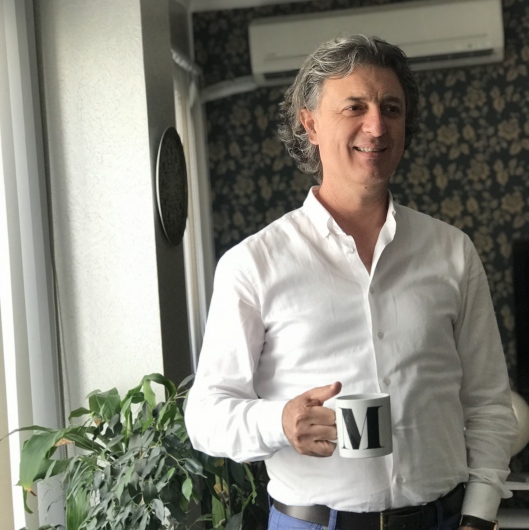
Prof. Dr. Melih Malkoç
Specialist in Orthopaedics and Traumatology. Graduate of Ege University Faculty of Medicine; completed his specialist training at Şişli Etfal Training and Research Hospital and received the title of associate professor in 2015.
Full biography →The information on this page is for general guidance only and does not replace a diagnosis or treatment recommendation. Diagnosis and treatment decisions are made by the physician on an individual basis following examination and imaging.